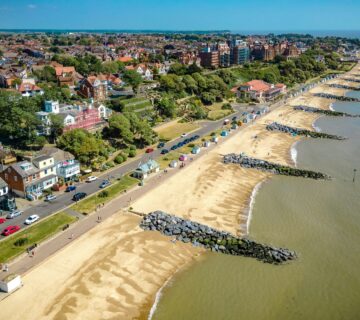

Understanding the common problems found in Norfolk homes can help buyers make informed decisions and ensure they choose the right level of survey. This article outlines the issues our surveyors frequently identify when carrying out RICS Level 2 Home Surveys and RICS Level 3 Building Surveys across the county.
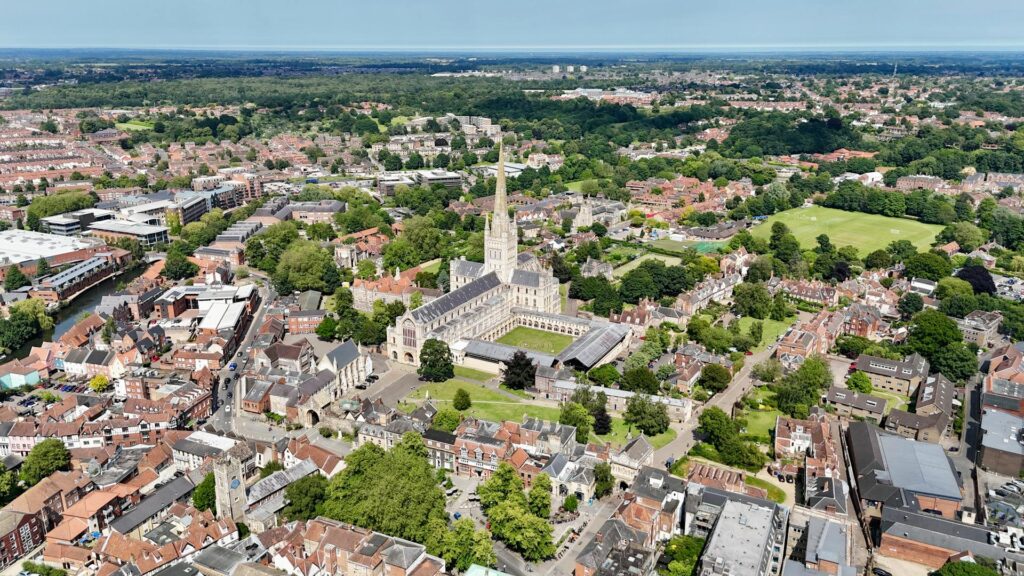
Flint Construction and Pointing Failures
Flint is one of Norfolk’s most distinctive and widely used building materials, found in everything from rural cottages to urban terraces across Norwich and the surrounding towns. While durable, flint construction requires careful maintenance and presents specific risks that differ from standard brick-built homes.
Issues our surveyors regularly identify include:
* Failed or eroding lime mortar pointing between flints
* Moisture ingress through poorly maintained or repointed walls
* Structural movement where flint panels meet brick quoins, or window surrounds
* Repairs carried out using inappropriate cement-based mortars, which can trap moisture and cause long-term damage
Flint properties are almost always more suited to a Level 3 Building Survey, given the complexity of the construction and the difficulty in assessing internal wall conditions solely through external inspection.
Coastal Moisture and Salt Exposure
Norfolk’s extensive coastline, including Cromer, Sheringham, Wells-next-the-Sea, Hunstanton and the surrounding villages — exposes properties to salt-laden air and elevated moisture levels. These conditions accelerate the deterioration of external materials and can affect structural elements over time.
Typical issues include:
* Damp penetration in exposed elevations
* Deterioration of external render, pointing and decorative finishes
* Rusting of metal components, including lintels, railings and fixings
* Timber decay on coastal-facing elevations
* Accelerated roof covering wear in exposed locations
Even well-maintained coastal properties can present these issues, making a survey particularly important for homes near the shoreline or in exposed rural locations.
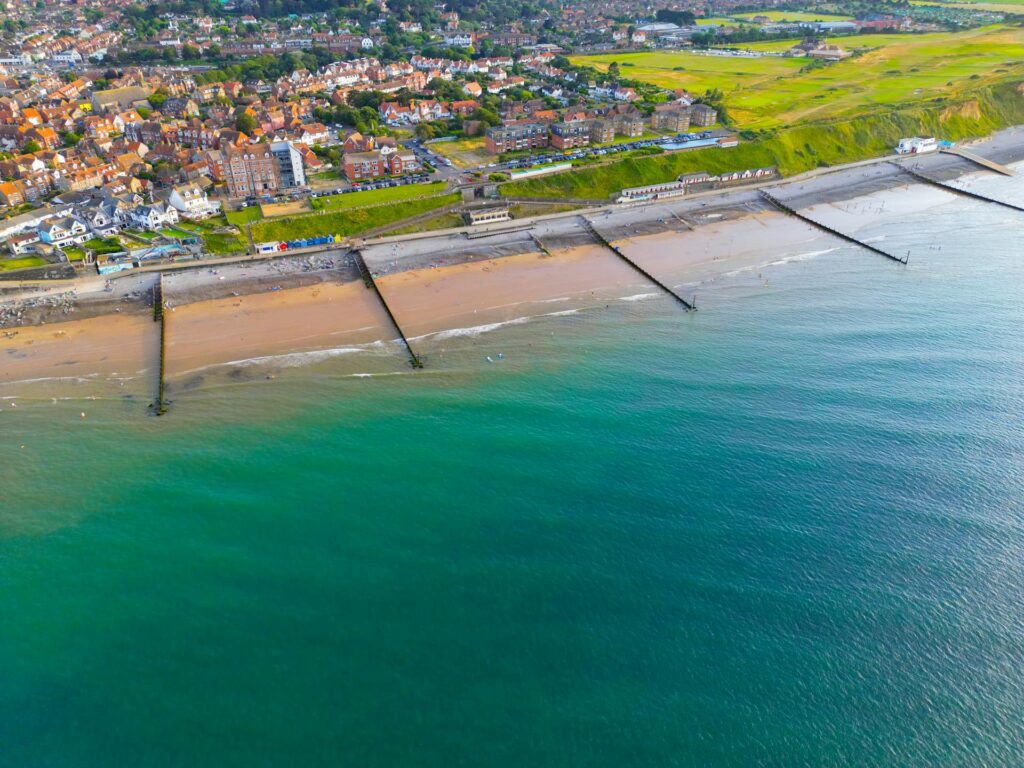
Clay Shrink–Swell Movement
Parts of Norfolk, particularly inland areas, sit on clay-bearing soils that expand and contract with changes in moisture levels. This movement can affect foundations, internal walls and external brickwork, and is often more pronounced during dry periods or where mature trees are present nearby.
You may notice:
* Cracking around doors and windows
* Uneven or sloping floors
* Distorted door and window frames
* External cracking in brickwork or render
Where movement is suspected, a Level 3 Building Survey is typically recommended. Distinguishing between historic, stabilised movement and ongoing structural activity is critical before committing to purchase.
Damp Penetration in Older Properties
Many Georgian and Victorian properties in Norwich and Norfolk’s market towns were built without modern damp-proof courses. Over time, this can lead to rising or penetrating damp, particularly in solid-walled homes or those that have been altered without appropriate remediation.
Common indicators include:
* Flaking or staining plaster on lower wall sections
* Musty odours in ground-floor rooms
* Timber decay or deterioration in ground floor joists and floorboards
* Mould growth on internal walls
Damp issues are frequently identified in both Level 2 and Level 3 surveys. Where moisture levels are elevated, specialist investigation is often recommended before exchange.
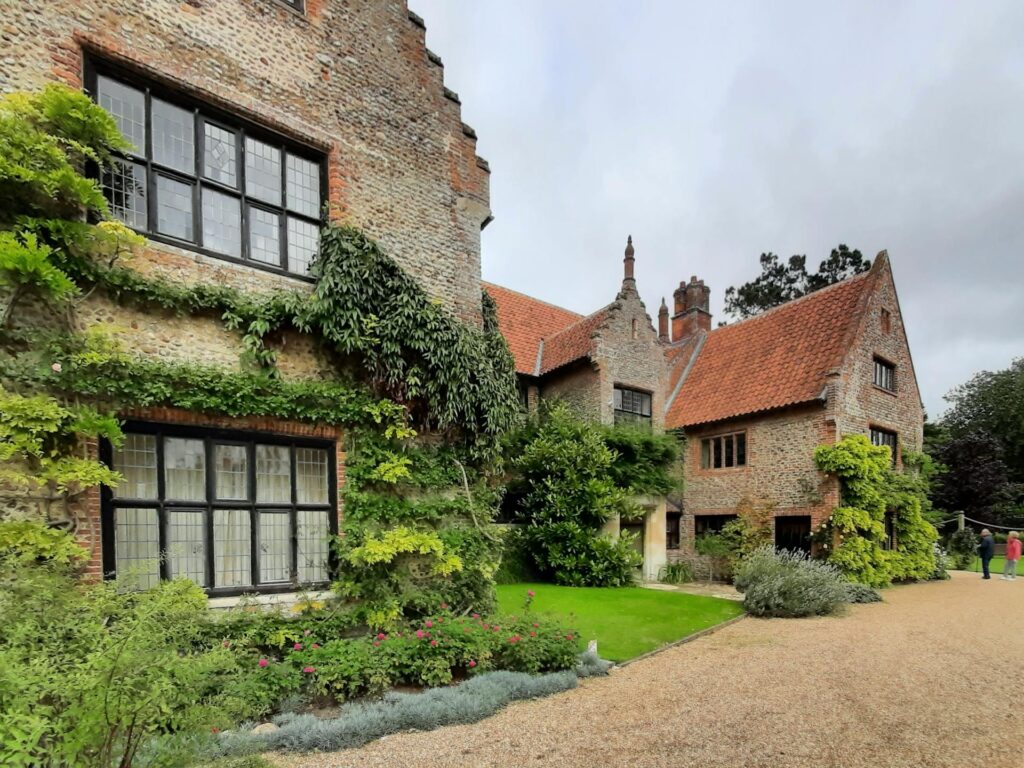
Timber Decay in Rural Cottages and Converted Buildings
Norfolk’s countryside contains a significant number of timber-framed cottages, barns and converted agricultural buildings. These properties are often attractive to buyers but require careful inspection due to the age of structural timbers and the conditions in which they have been maintained.
Problems may include:
* Woodworm or beetle infestation in the roof and floor timbers
* Wet rot or dry rot in timbers exposed to moisture
* Decay where structural timbers meet external masonry
* Poorly executed past repairs using incompatible materials
Conversions of agricultural buildings carry additional risks, including inadequate insulation, non-standard construction and drainage arrangements that may not meet current standards. A Level 3 Building Survey is usually the appropriate choice for these property types.
Roof Covering Deterioration
Properties built between the 1930s and 1970s frequently show signs of ageing roof coverings, and Norfolk’s rural homes and converted farm buildings can be particularly exposed to weathering.
Issues our surveyors often identify include:
* Slipped, cracked or missing roof tiles or slates
* Failing or absent underfelt
* Debris accumulation in valleys and gutters
* Inadequate roof space ventilation
* Lead flashing deterioration around chimneys and junctions
A deteriorating roof covering can allow water ingress if left unaddressed, and early identification during a survey can prevent higher remedial costs later.
Insulation and Ventilation Issues
Older Norfolk properties frequently present limited insulation, restricted airflow or outdated ventilation arrangements. These deficiencies contribute to damp, condensation and heat loss, and are common across the county’s older rural and coastal housing stock.
Key indicators include:
* Condensation on windows and cold surfaces
* Mould growth on walls or ceilings
* Poor roof space ventilation
* High energy bills or noticeably cold rooms
Where these issues are identified, surveys include practical advice on appropriate remedial measures and their likely costs.
Drainage and Gutter Problems
Blocked gutters, poor ground drainage and damaged rainwater goods are among the most common contributors to moisture problems in Norfolk homes, particularly in older properties where maintenance has been deferred.
Our surveyors often observe:
* Overflowing or blocked gutters and downpipes
* Standing water near external walls or foundations
* Plant growth in drainage channels or hoppers
* Damp penetration caused by defective rainwater goods
These defects are usually straightforward to resolve but should not be overlooked, particularly in period homes where long-term water ingress may have caused secondary damage to walls and timbers.
How a Home Survey Helps Identify These Issues
A RICS Level 2 Home Survey is suitable for modern or conventionally built properties in reasonable condition. A RICS Level 3 Building Survey is recommended for older, altered or complex homes, particularly flint-built properties, coastal homes, period cottages or buildings exhibiting visible defects.
Both survey levels provide clear advice on:
* The severity of any issues identified
* Recommended repairs and likely costs
* Potential future maintenance requirements
* Risks associated with leaving a defect untreated
Norfolk’s mix of flint construction, coastal exposure, agricultural conversions and clay soil conditions means property risks can vary significantly across the county. Choosing the correct level of survey ensures these local factors are properly assessed before purchase. You can compare the surveys for you needs
Book a Survey in Norfolk
For independent guidance on the condition of a Norfolk property, you can request a survey or obtain a quote below.
RICS Level 2 Home Survey · RICS Level 3 Building Survey · Norfolk Surveyors · Instant Quote · Contact Us
FAQs About Norfolk Property Issues
What are the red flags to look out for in a Norfolk house survey?
The most significant red flags in Norfolk properties include structural cracking around doors and windows, damp staining on lower wall sections, deteriorating flint pointing, and signs of roof movement or water ingress. Coastal properties may also show salt-related decay on external timbers and render. Any of these findings warrants careful assessment before exchange.
How can I spot structural problems before buying a Norfolk property
Visible signs such as diagonal cracking at corners of windows, sloping floors, sticking doors or gaps between walls and ceilings can indicate movement. However, many structural issues are not visible to the untrained eye, particularly in flint-built or timber-framed properties, which is why an independent survey is important before committing to purchase.
How do coastal erosion risks affect properties on the Norfolk coast?
Norfolk has some of the fastest-eroding coastline in the UK. Areas such as Hemsby have seen significant land loss in recent years, and properties in exposed coastal locations can face increased insurance costs, reduced mortgage availability and long-term uncertainty around value. A survey can identify physical deterioration caused by coastal exposure, though buyers of coastal properties should also seek independent advice on erosion risk specific to the location.
What are the most common issues found in Norfolk house surveys?
The most frequently identified issues in Norfolk are damp penetration in older solid-wall properties, deteriorating flint pointing, timber decay in rural cottages and conversions, roof covering wear, and drainage defects. Clay soil movement affects certain inland areas, and coastal properties present additional risks related to salt exposure and moisture.
Are older Norfolk properties more suited to a Level 3 survey?
In most cases, yes. Victorian and Edwardian terraces, flint cottages, timber-framed homes and agricultural conversions all present complexities that a Level 2 survey may not fully capture. A Level 3 Building Survey provides the detailed inspection these property types require and is usually the more appropriate choice for pre-1919 homes across the county.