

Common Property Issues Found in Suffolk Homes
Suffolk offers a wide variety of homes, from Victorian terraces and rural cottages to coastal properties and modern developments. While the county is known for its charm and scenic landscapes, many properties present specific issues related to local construction styles, soil conditions and environmental exposure.
Understanding the common problems found in Suffolk homes can help buyers make informed decisions and ensure they choose the right level of survey. This article outlines the issues our surveyors frequently identify when carrying out RICS Level 2 Home Surveys and RICS Level 3 Building Surveys across the county.
 Clay Shrink–Swell Movement
Large parts of Suffolk sit on clay-rich soil, which expands and contracts depending on moisture levels. This movement can affect foundations, internal walls and external brickwork.
You may notice:
• Cracking around doors and windows
• Uneven or sloping floors
• Distorted frames or sticking doors
• External cracking in brickwork
Drought periods can worsen the issue, while nearby trees may contribute by removing moisture from the ground. Where movement is suspected, a Level 3 Building Survey is typically recommended due to the detailed assessment required. For buyers, distinguishing between historic, stabilised cracking and ongoing structural movement is critical before committing to purchase.
Coastal Moisture and Salt Exposure
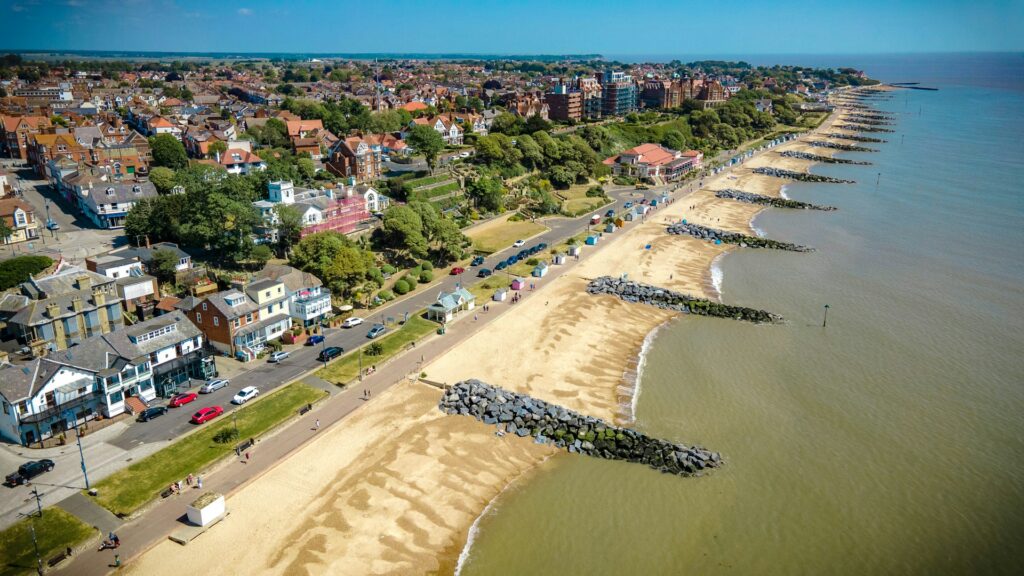
Suffolk’s coastal areas, including towns such as Lowestoft, Southwold and parts of Felixstowe, are exposed to salt-laden air and higher moisture levels. This affects external decorations, timberwork and masonry over time.
Typical issues include:
• Damp penetration in exposed walls
• Rusting of metal components
• Deterioration of external render or pointing
• Timber decay in coastal-facing elevations
Even modern properties can be affected, making a survey particularly important for homes near the shoreline.
Damp Penetration in Older Properties
Many Victorian and Georgian homes in Suffolk were constructed without modern damp-proof courses. Over time, this can lead to rising or penetrating damp, especially in homes with solid walls or those that have undergone alterations.
Common indicators include:
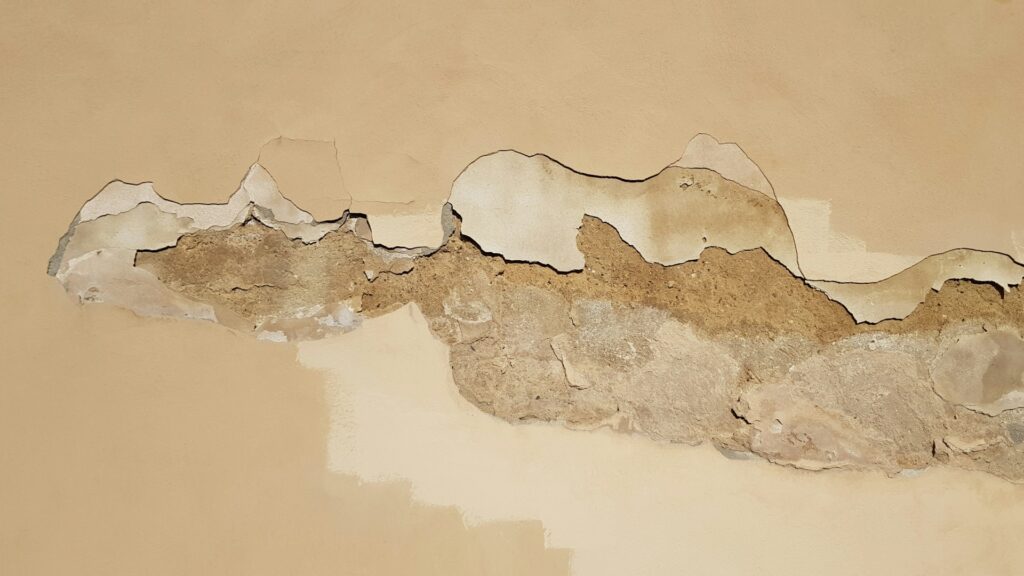
• Flaking plaster
• Staining on lower wall sections
• Musty smells
• Timber decay or floorboard deterioration
Damp issues are frequently noted in Level 2 and Level 3 surveys. Where moisture levels are high, specialist investigation may be recommended.
 Timber Decay in Period Cottages
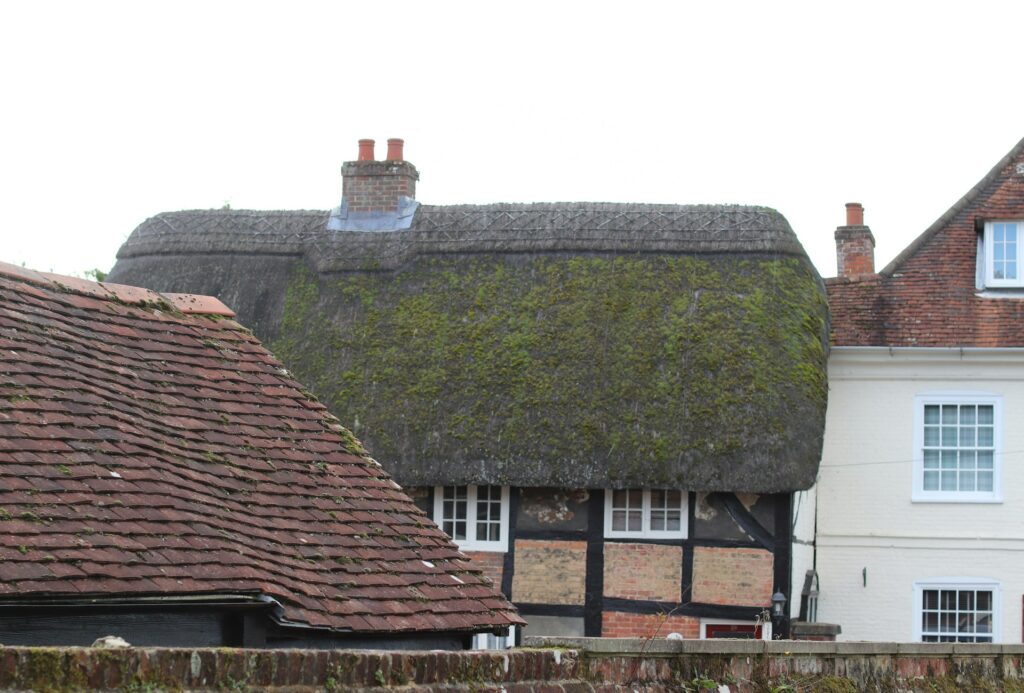
Suffolk’s countryside contains a high number of timber-framed cottages and older rural buildings. While often attractive, these homes require careful inspection due to the age and condition of structural timbers.
Problems may include:
• Woodworm
• Wet rot or dry rot
• Insect infestation
• Decay where timbers meet masonry
A Level 3 survey is usually more appropriate for these property types due to their complexity and historical construction methods.
Roof Covering Deterioration
Across Suffolk, properties built between the 1930s and 1970s commonly show signs of ageing roof coverings. Rural homes and converted farm buildings may also experience weathering due to exposure.
Issues our surveyors often identify include:
• Slipped, cracked or missing tiles
• Failing underfelt
• Debris accumulation in valleys
• Inadequate ventilation
A deteriorating roof can lead to water ingress if left unaddressed, so early identification is beneficial.
 Insulation and Ventilation Issues
Older homes in Suffolk may have limited insulation, restricted airflow or outdated ventilation arrangements. These issues contribute to damp, mould and heat loss.
Key indicators include:
• Condensation on windows
• Mould on walls or ceilings
• Cold rooms or high energy bills
• Poor roof-space ventilation
Where these issues are identified, surveys include advice on appropriate remedial measures.
Drainage and Gutter Problems
Blocked gutters, poor ground drainage and damaged downpipes are common contributors to damp and structural problems in Suffolk homes.
Our surveyors often observe:
• Overflowing gutters
• Standing water near foundations
• Plant growth in drainage channels
• Damp penetration caused by defective rainwater goods
These defects can usually be resolved but should not be overlooked, especially in period homes.
How a Home Survey Helps Identify These Issues
A RICS Level 2 Home Survey is suitable for modern or conventionally built properties in reasonable condition.
A RICS Level 3 Building Survey is recommended for older, altered or complex homes, particularly period cottages, coastal properties or buildings exhibiting visible defects.
Both survey levels provide clear advice on:
• The severity of any issues identified
• Recommended repairs
• Potential future maintenance
• Risks associated with leaving a defect untreated
Suffolk’s mix of rural cottages, coastal housing and clay-based soil conditions means property risks can vary significantly across the county. Choosing the correct level of survey ensures these local factors are properly assessed before purchase.
Book a Survey in Suffolk
For independent guidance on the condition of a Suffolk property, you can request a survey or obtain a quote below.
RICS Level 2 Home Survey:
RICS Level 3 Building Survey:
Suffolk Surveyors:
Instant quote:
Contact us:
FAQS About Suffolk Property Issues
Are clay soil problems common in Suffolk?
Large areas of Suffolk are underlain by clay-rich soils that expand and contract with moisture changes. While not every property is affected, homes in clay-prone areas may show signs of historic or ongoing movement, which should be assessed during a survey.
Are coastal homes in Suffolk more prone to damp?
Properties in exposed coastal locations may experience increased moisture and salt-related deterioration over time. Regular maintenance and appropriate inspection are important in these areas.
Should I choose a Level 3 survey for an older Suffolk cottage?
Period cottages and timber-framed properties often require more detailed inspection due to their age and construction type. A Level 3 Building Survey is typically more suitable for these properties.
Can a Level 2 survey still identify these issues?
A Level 2 survey can identify visible defects in modern or conventionally built properties. However, older, altered or complex homes may require the deeper analysis provided by a Level 3 survey.